Need some more poetic inspiration? Sign up for a free bimonthly newsletter.

Need some more poetic inspiration? Sign up for a free bimonthly newsletter.

Need some more poetic inspiration? Sign up for a free bimonthly newsletter.
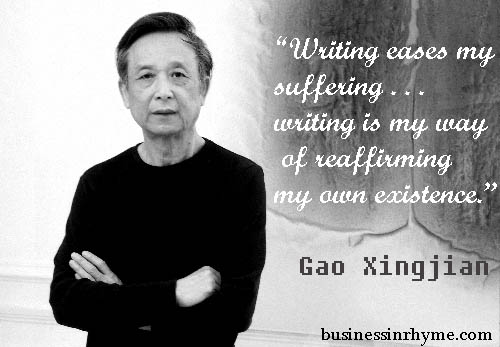
Many of us, engaged in reading and writing are aware of transformative power of poetry, healing power and artistic value it brings to our lives. But how far does that really goes? Can you be saved by a poem?
In this enlightening interview, poet an writer Kim Rosen loudly answers, yes:
In the aha! moment that occurs when the mind bursts open—at a breathtaking metaphor or an insight or a chiming among the words—all levels of being human come into alignment. You feel a sudden integration of body, mind, heart and soul. The fragmentation that many experience in the multitasking onrush of modern life cannot withstand a good poem.
For many years she even feared poetry, thinking it was some kind of elite club, secluded for some ‘special’ and very important people. But on the verge of suicidal depression, poetry came when she most needed and literary saved her life:
In the midst of a suicidal depression, poetry poured back into my life, touching me in a way no spiritual or psychological teaching had been able to—literally saving me. The healing did not come through writing poems or even through reading them. It came when I discovered that taking a poem I loved deeply into my life and speaking it aloud caused a profound integration of every aspect of me—physical, emotional, mental and spiritual. I felt a wholeness I had never before experienced.
Further, she proposes we find a poem that really speaks to us and learn it by heart: read it loud as often as we can until it engraves somewhere deep in our soul and help flourish some better and more supportive thoughts. It can help you establish better relationship with yourself and explore sides of your being you didn’t even knew existed before. That’s what poetry does.
But what about writing your own poetry?
Dr. James W. Pennebaker, one of the most widely published researchers on the benefits of writing, says in his book, “Opening Up: The Healing Power of Expressing Emotions”, that writing about emotional topics improves the immune system by reducing
stress, anxiety and depression, improves motivation and aids people in securing new jobs.
About my own personal experience, I wrote in this post how poetry came back into my life. And it happened to be that sacred, little place I was looking for to be only mine, that I could decorate, erase, fill, create or destroy the way I wanted. I didn’t have to offer any excuses, explanations or justifications for me being me.That kind of comfort is priceless. You learn to accept yourself just the way you are and you see that world isn’t some ugly place that want to make you miserable. It’s the way you see it and live it. That’s why I say: “Writing poetry helps me fall in love with the world, all over again!”
What are your reasons for having poetry in your life?
I didn’t trust it for a moment
but I drank it anyway,
the wine of my own poetry.
It gave me the daring to take hold
of the darkness and tear it down
and cut it into little pieces.
Lalla Ded. (Lalleshwari) (1320–1392)

Need some more poetic inspiration? Sign up for a free bimonthly newsletter.
Her left hooded eyelid lingeres just over the edge
where lashes touched her hair
silver pupil is less widened from the right one
it didn’t hurt: close to a mosquito bite
red mark in the root of a left hand
became the only trail she walked
to her dream
to her drea
to her dre
to her dr
to her d
to her.
Maja S. Todorovic
Need some more poetic inspiration? Sign up for a free bimonthly newsletter.

On a few occasions I have used poems of Ella Wheeler Wilcox in my posts and I have always found her verse to be very empowering and inspirational. For that reason, I’ve decided to explore further her philosophy on life and how that impacted her way of thinking and writing
Ella was born in Johnstown, Wisconsin in 1850 and her writing has made significant influence on the late 19th century american poetry. She began writing her poetry very early and managed to get published by the time she graduated from high school. Her writing is remarked by plain and simple rhyme style, which made her poetry accessible across diverse generations and very popular. She was also famous for writing about everyday human problems and struggles.
Lesser known facts are that at times she faced struggle herself when her work was rejected – once even 10 times. But her continues optimism and faith in persistence gave her courage to endure. She writes:
From reincarnated sources and through prenatal causes I was born with unquenchable hope and unfaltering faith in God and guardian spirits. I often wept myself to sleep after a day of disappointments and worries but woke in the morning singing aloud with the joy of life.
I always expected wonderful things to happen to me.
In some of my hardest days when everything went wrong with everybody at home and all my manuscripts came back for six weeks at a time without one acceptance, I recall looking out of my little north window upon the lonely road bordered with lonelier Lombardy poplars, and thinking, ‘Before night something beautiful will happen to change everything.’ There was so much I wanted.
…Once I read a sentence which became a life motto to me. ‘If you haven’t what you like, try to like what you have.’ I bless the author for that phrase it was such a help to me.
The trust she had in her work gave her strength to go through all negative events that followed her writer’s life. Seeing the positive side in every misfortune and the way she cheered herself is timeless wisdom we all as writers can adhere. What kind of power our thoughts have she also wrote in one of her poems:
I hold it true that thoughts are things
Endowed with bodies, breath, and wings,
And that we send them forth to fill
The world with good results – or ill
The desire of wanting something so badly is the drive that goes beyond any negative opinion someone else can hold against us. And in spite all stay gentle and kind:
It is easy to be pleasant when life flows by like a song, but the man worth while is the one who will smile when everything goes dead wrong. For the test of the heart is trouble, and it always comes with years, and the smile that is worth the praises of earth is the smile that shines through the tears.”
Always continue the climb. It is possible for you to do whatever you choose, if you first get to know who you are and are willing to work with a power that is greater than ourselves to do it.
Ella Wheeler Wilcox died in 1919, with poetry collections left behind her: Poems of Passion (1883), A Woman of the World (1904), Poems of Peace(1906), Poems of Experience (1910), and Poems (1919).
For this is wisdom- to love and live
To take what fate or the Gods may give,
To ask no question, to make no prayer,
To kiss the lips and caress the hair,
Speed passion’s ebb as we greet its flow,
To have and to hold, and, in time–let go.
Ella Wheeler Wilcox
To further explore the topic on power of belief, I recommend:
If you liked this post and you are interested in getting more inspiration for your creativity, sign up for our free bimonthly newsletter.

Need some more poetic inspiration? Sign up for a free bimonthly newsletter.

 Business in Rhyme